 Treatment
Addiction can take control of a person’s decision-making and life, health, family, and work. Many people thought rehabilitation treatment was a waste of money, but it's a place where everyone gets time to rethink how drug possession is destroying everything. It is because people are not aware that addiction is a type of disease that not only affects them but also their families. When addiction enters lives, domestic violence and financial disability suddenly appear. Recovery is possible with the right care, guidance, and support
Our therapeutic approach is designed to help individuals recover safely, emotionally, and sustainably and help them live drug-free lives. The main focus is not only on substance dependency but also on curing the mind, internal peace, rebuilding confidence, and supporting long-term recovery.

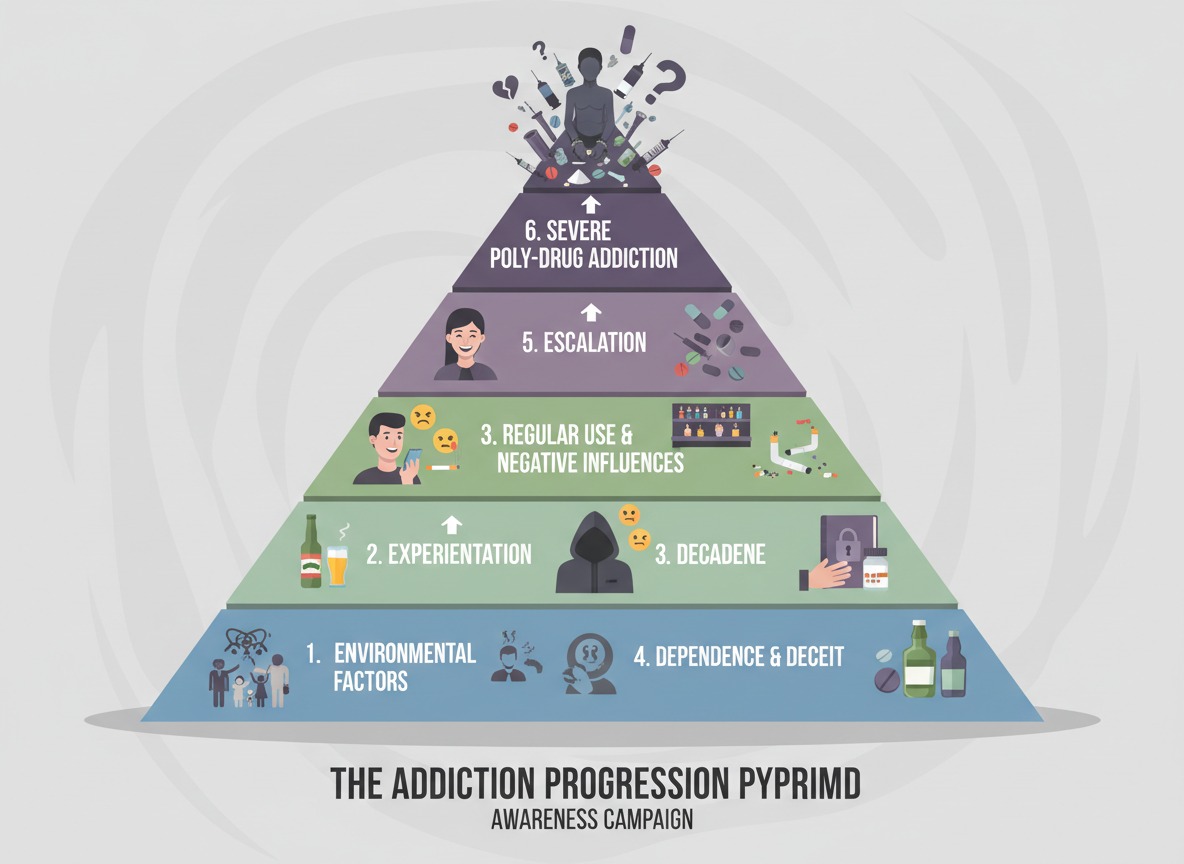
Addiction is not a failure of a life stage or a moral failure. It is a condition of disease that affects the brain, emotions, and behavior. Over time, substance use slowly changes how the brain works, and thinking patterns make it difficult for a person to quit without help. This is why professional treatment, emotional support, and a structured environment are essential for quitting any drug addiction.
This table shows how addiction increases six levels of substance addiction. And how substance abuse turns into multiple drug addictions.
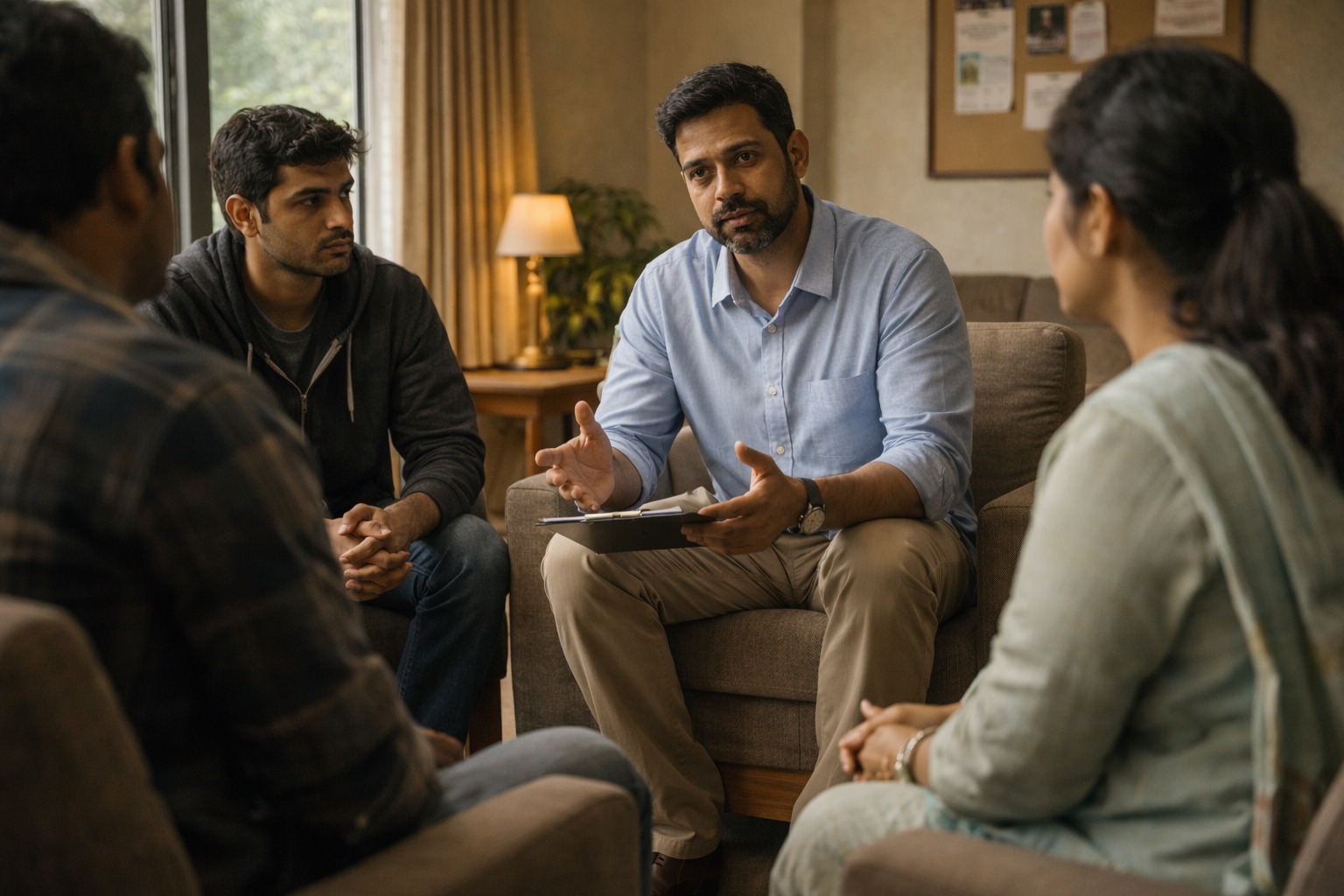
Treatment begins with a confidential conversation about addiction counseling & therapy sessions. It helps us to observe the individual’s drug or alcohol use history, physical health, and emotional condition. We listen before asking for treatment without judgment, because trust is the foundation of recovery.This physical & mental assessment allows us to provide the best addiction treatment according to the individual’s real needs and requirements.
If required, the next step is detoxification, where harmful substances are gradually removed from the body. Withdrawal symptoms such as anxiety, restlessness, sweating, sleep problems, or body pain are managed with proper care and supervision.
During this stage, physical tests are conducted to identify any illness or health complications. If any physical problem is found, it is treated first. Stabilizing the body is important before starting deeper psychological work.
Tips : Check how the rehabilitation center helps addiction treatment and achieve a full recovery from addiction.
Provides a clean shelter to live in
Clean Food and diet are served in place with no eating lamination
Have a positive environment
Provides equipment for entertainment like TV, indoor games, and dancing and singing sessions.
Provide after-treatment care and support to the addict.
Once the body becomes stable, psychiatric evaluation and psychological counseling begin. Addiction often has emotional roots such as stress, trauma, loneliness, or unresolved pain. These sessions help individuals understand if a person is diagnosed with any psychological conditions or not. If yes, then psychiatrists prescribe medications for mental treatment after physical recovery.
Counselling also helps individuals learn how to manage self-control, recognize emotions, and manage stress in healthier ways. This stage plays a major role in how to prevent relapse after treatment.
Recovery becomes stronger when discipline and routine return to life. At Jeevan Dhara, daily activities are an important part of treatment. These play a crucial role in diverting the mind from negative thoughts and providing a positive environment, including:
Yoga & meditation for getting back control of thoughts
Input & treatment awareness sessions about addiction and recovery
Guided group discussions to share experiences
Motivation and emotional support sessions
Mood-building and appreciation activities for happiness
These activities help individuals rebuild confidence, focus, and emotional balance. They also reduce feelings of isolation and fear.
Family support counselling plays a major role in addicts' treatment efforts. We also explain to the family how to support recovery without pressure or conflict.
A positive and supportive family environment improves recovery outcomes and the factors that reduce the chance of relapse.
Recovery does not happen like a snap. The real-world challenge begins when a person returns to daily life, to their work, friends, and society. That is why relapse prevention and aftercare support are essential.
Before discharge, everyone is guided on how to manage weakness and cravings and handle real-life conditions. Follow-up helps to maintain confidence and recovery.
We do not treat people like customers. We treat them like family. Our approach is based on care, responsibility, and understanding. We focus on long-term recovery.
Our treatment is
Ethical confidentiality
Structured yet compassionate
Focused on mind, body, soul, and emotions
Supportive even after treatment
Substance use can make anyone's life dark and worse, but recovery is like a bright light that fades the darkness of life with its rays. If you or your loved one is struggling with addiction, taking the first step can be challenging, by thinking about how people thought, but changing everything. Help is available, and you are not alone.