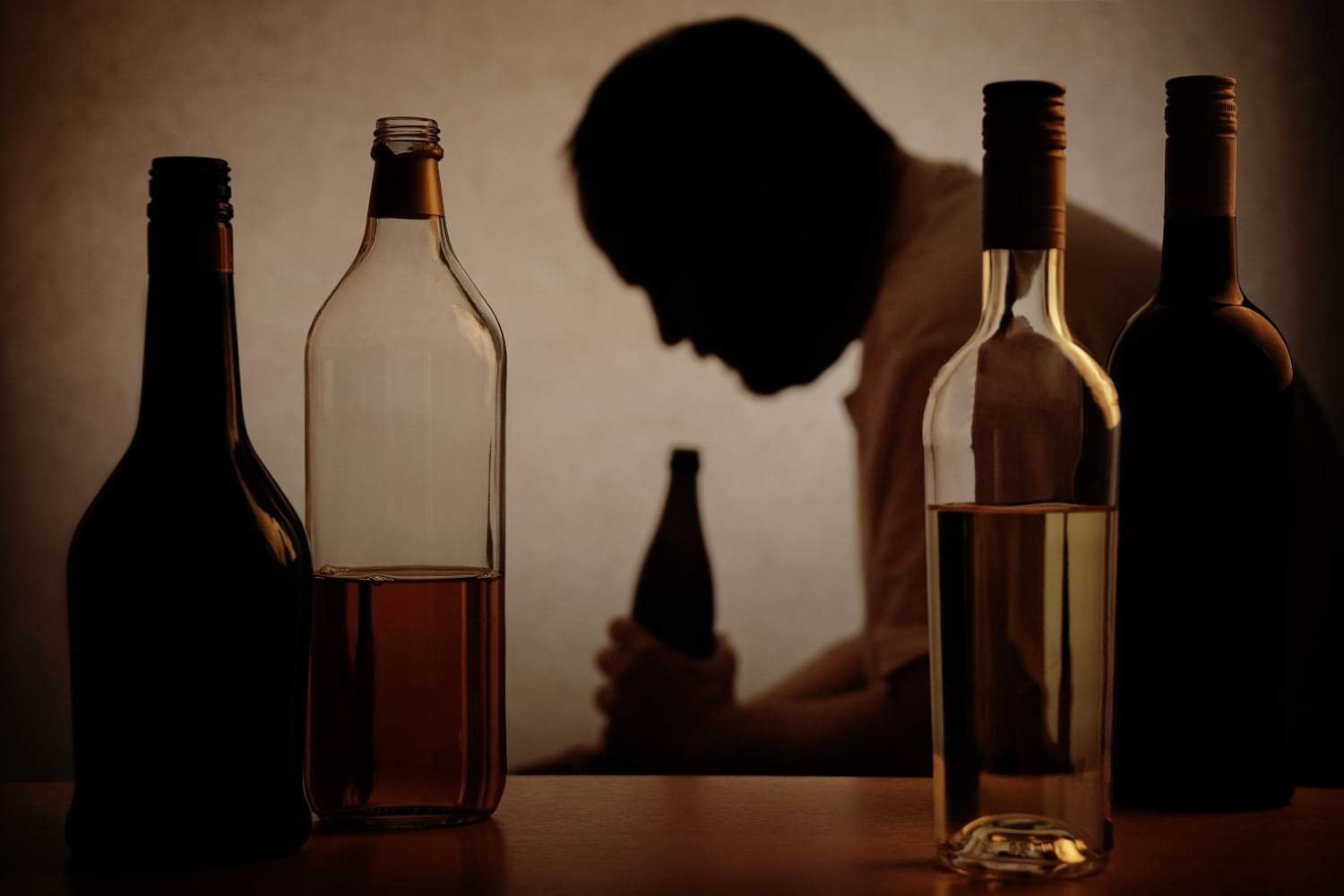
Alcohol addiction is treatable, and recovery is possible with the right care, patience, and family support for the person who is suffering from alcohol addiction, because they need understanding, not judgment, from everyone. Our alcohol addiction treatment program is designed to help individuals recover both physically and emotionally while guiding them toward long-term sobriety.
Treatment begins with a simple and confidential checkup. We understand the individual’s drinking pattern, health condition, emotional state, and family background. This helps us plan treatment according to the person’s needs and customize the plan if they have other health conditions.


If required, detoxification is provided to help the body safely adjust after stopping alcohol instantly. Withdrawal symptoms appear, such as restlessness, sweating, anxiety, or sleep problems, and we are managing with proper care and in the correct manner. Any physical health issues are treated before moving ahead.
Once the body is stable, counseling sessions begin. These sessions help individuals understand why they started drinking, how alcohol affected their life, how addiction breaks their family, and how to manage stress, emotions, and cravings in healthier ways.
Recovery is supported through daily activities; these are very well-researched and mindful techniques.
Yoga and meditation
Awareness and input sessions
Group discussions
Motivation and emotional support
The involvement of family in treatment is necessary because an addicted person needs love & reassurance from family. Alcohol addiction affects the whole family. Family counselling helps rebuild trust, improve bonds, and create a supportive home environment that strengthens recovery.
Before completing treatment, individuals are guided on how to avoid triggers and handle real-life situations. Even after treatment, continued support is provided to manage cravings and reduce the chances of relapse. After a recovery meeting, attending is the most important part of every type of treatment.